Top Anderson Locksmith Service Team
Local locksmith team
Jul 25, 2026 14 min read

Your front door takes a beating in Anderson, SC — from humid summers that swell wood frames along Whitehall Road to the cold snaps that tighten metal hardware overnight. If your home has a mortise lock, that centuries-old rectangular body set deep into the door's edge is quietly doing serious work every single day. Most homeowners never think about it until the key won't turn, the latch drags, or the door simply refuses to open — usually at the worst possible moment.
The good news is that a failing mortise lock almost always gives you warning signs well before it quits completely. Catching those signs early means the difference between a straightforward repair and an emergency lockout on a Sunday night. Below are five specific things to watch for, what they mean, and when it's time to call a trained locksmith Anderson homeowners can count on around the clock.
## What Is a Mortise Lock — And Why Anderson Homes Still Rely on Them
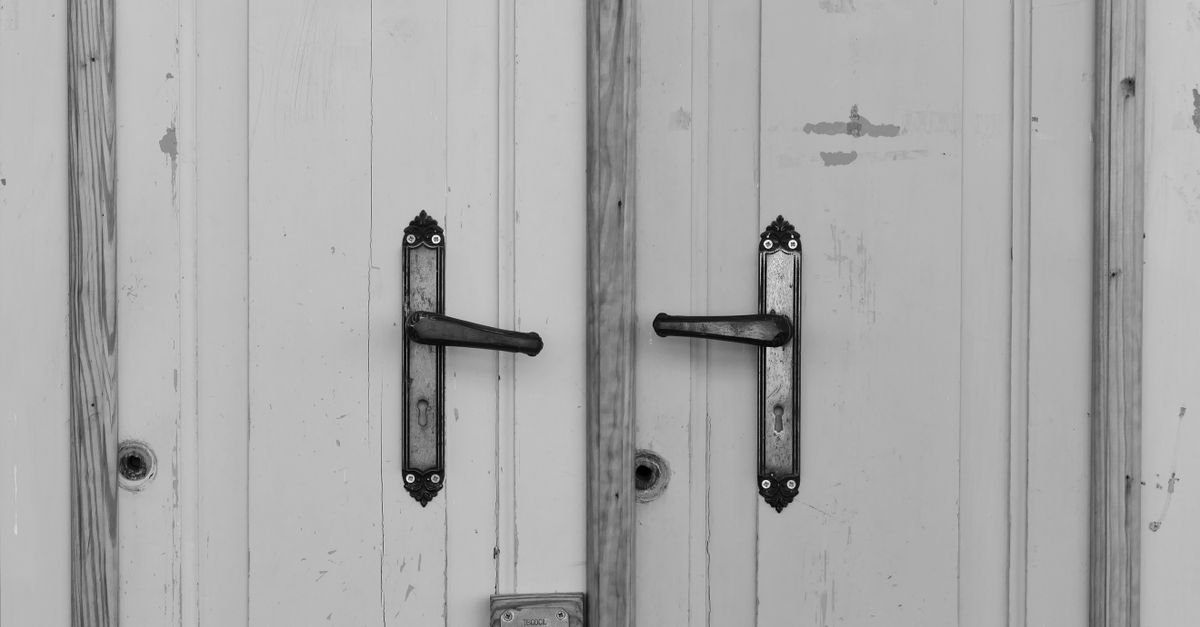
A mortise lock is a full lock mechanism — latch bolt, dead bolt, and often a privacy or passage function — housed inside a single rectangular steel case that sits in a pocket (the "mortise") cut into the door's edge. Unlike a surface-mounted cylindrical lock or a basic door knob lock, a mortise lock set contains all its working parts in one integrated body, which is why it has remained the go-to hardware on older Craftsman bungalows, brick colonials, and commercial storefronts across the Anderson area for well over a century. Brands like Baldwin mortise lock systems and Corbin Russwin mortise lock products built their reputations on exactly this design — durable, feature-rich, and repairable rather than disposable. Even today, a mortise lock set for an exterior door offers a higher level of security and a longer service life than most cylindrical alternatives, provided the hardware is properly maintained.
Understanding what you own matters because the repair approach is different. A trained locksmith working on a mortise lock cylinder is not doing the same job as one rekeying a basic deadbolt. The internal cam, case, and trim all interact, so diagnosing a problem correctly from the start saves time and avoids unnecessary part replacements. If you are unsure what type of lock is on your door, a quick look at the edge of the door will tell you — a mortise lock case will be noticeably deeper and taller than a standard cylindrical unit.
## Sign 1 — The Key Turns Hard or Gets Stuck Mid-Rotation
A stiff or binding key is one of the earliest distress signals a mortise lock cylinder sends out. It usually means one of three things: the cylinder's internal pins have worn unevenly, the cam that connects the cylinder to the case has shifted, or years of dust and dried lubricant have created a gummy paste inside the lock body. In Anderson's climate — where pollen season runs long and humidity stays high from May through September — debris intrusion is a genuine accelerant of this problem.
Do not force the key or apply sideways pressure to free it. That can shear a worn key inside the cylinder, turning a simple service call into an extraction job. Instead, try a small amount of dry graphite lubricant (not WD-40, which attracts dirt) sprayed into the keyway. If the stiffness returns within a few weeks or never fully resolves, the cylinder internals likely need professional attention. A skilled locksmith can inspect the mortise lock cylinder, determine whether it needs cleaning, rekeying, or full replacement, and have you turning the key smoothly again the same day.
## Sign 2 — The Latch or Bolt Does Not Retract or Extend Cleanly
Watch the latch bolt — the angled piece that catches the strike plate — and the dead bolt when you operate the handle or turn the thumb turn. If either one moves sluggishly, catches partway, or springs back when it should hold, the case mechanism inside the door is telling you something is wrong. Common culprits include a worn-out spindle, a broken internal spring, or a strike plate that has shifted out of alignment as the door frame settles. Older homes near downtown Anderson, particularly those with original wood frames, often experience seasonal frame movement that gradually pulls the strike plate out of position.
A latch that does not retract fully is more than an inconvenience — it can trap you inside or outside your home without warning. If you notice the door requires a firm shoulder to fully close, or the knob has to be held in a specific position for the latch to engage, schedule a locksmith visit before the problem escalates. This is typically a straightforward mechanical repair: realigning or replacing the strike plate, adjusting the case's spindle hub, or swapping a broken spring. Catching it at this stage is far less involved than dealing with a fully seized lock at midnight.
## Sign 3 — The Lock Body or Trim Feels Loose, Wobbly, or Has Visible Play
A mortise lock set is anchored to the door edge with screws that pass through the faceplate and into the case, while the exterior and interior trim — roses, escutcheons, and lever handles — are secured through the door face. Over years of use, those fasteners back out, the wood around them compresses, and the entire assembly develops play. You will feel it as a slight rattle when you grab the handle, a wobble in the thumb turn, or visible gaps opening between the trim rose and the door face.
Loose trim is not merely cosmetic. When the case can shift inside its mortise pocket, the internal cam misaligns with the cylinder tail piece, which is exactly what causes that half-turn, stuck-key feeling described in Sign 1. Left unaddressed, a loose assembly will eventually crack the thin wood remaining around the mortise pocket — at which point the door itself needs repair, not just the lock. A professional locksmith can re-anchor the faceplate, tighten or replace trim fasteners, and assess whether the mortise pocket has widened enough to require a case shim or wood filler before re-installation. Need help now? Call (704) 850-6756 — Top Anderson Locksmith answers 24/7 and can be at your door the same day.
One note on smart home upgrades: a smart mortise lock — a motorized or Wi-Fi-enabled mortise case — has the same mechanical chassis as its traditional counterpart, plus electronics. Loose trim is even more problematic on these units because vibration from a wobbling case can disrupt the motor or sensor alignment. If you have invested in a smart mortise lock and notice any play in the hardware, treat it as urgent.
## Sign 4 — Visible Corrosion, Discoloration, or Freeze-Up After Cold Nights
Anderson winters are mild by national standards, but overnight temperatures do dip below freezing on the stretches between December and February, and that is enough to cause moisture already trapped inside a worn seal to expand and bind the lock mechanism. If your exterior door lock has ever felt glued shut on a cold morning, water infiltration has likely been happening for longer than you realized. On older Baldwin mortise lock hardware with worn gaskets or on any unit whose faceplate seal has cracked, this is a predictable failure mode.
Visible rust on the faceplate, green corrosion on brass trim, or a white powdery residue around the keyway are all signs that moisture has been reaching metal it should never touch. Surface rust can sometimes be cleaned and the hardware re-protected, but corrosion inside the case — on the bolt mechanism or internal springs — usually means the case itself needs replacement. A trained locksmith can pull the case, inspect the internal components, and give you an honest assessment of what is salvageable versus what needs to go. Factors that influence the final quote include the lock brand and model, whether a like-for-like case is available or a comparable substitute is needed, and any parts required — your locksmith will confirm an exact up-front price before any work begins.
## Sign 5 — You Have Lost Track of Who Has a Key
This last sign is less mechanical and more strategic, but it is one that experienced locksmiths and commercial locksmith professionals hear about constantly. If you have lived in your Anderson home for several years, had contractors in for renovations, or recently moved in after a sale or rental, there is a genuine chance that keys to your mortise lock are out in the world without your knowledge. Unlike a cylindrical deadbolt that can be rekeyed in minutes with widely available tools, a mortise lock cylinder rekey requires a technician who understands the specific keyway and pin profile of your lock brand.
The solution is straightforward: have the cylinder rekeyed or replaced. Rekeying renders all existing keys useless while letting you choose a brand-new key that works only the copies you hand out yourself. It is one of the most cost-effective security upgrades available, and a skilled locksmith can usually complete the job in a single visit without replacing the entire mortise lock set. If the cylinder is already worn or corroded from the signs above, a full cylinder replacement makes more sense and gives you a fresh start with factory-new tolerances. Either way, call (704) 850-6756 and a member of our team can walk you through the best option for your specific hardware before committing to anything.
## How Top Anderson Locksmith Handles Mortise Lock Service — and What We Cover
Top Anderson Locksmith is a 24/7 mobile locksmith serving Anderson and the surrounding communities, from the neighborhoods off Pearman Dairy Road to the older residential blocks near the Anderson County Courthouse. Our team handles residential lockouts, emergency locksmith calls, commercial locksmith needs for storefronts and office buildings, mortise lock repair and replacement, door knob lock service, smart lock installation, rekeying, key extraction, high-security lock upgrades, master key systems, lock-out service for vehicles, transponder and laser-cut key programming, ignition repair, broken key removal from ignitions, safe opening, deadbolt installation, door frame reinforcement, strike plate upgrades, lock cylinder replacement, lever-set replacement, keypad and smart mortise lock installation, lock re-pinning, interchangeable-core lock service, gate lock repair, sliding door lock service, cabinet and mailbox lock service, padlock opening, and after-hours emergency response for both homes and businesses.
Because we are mobile, we come to you — no towing, no trip to a shop. Every job starts with a clear explanation of what we found, what we recommend, and the exact price before a single screw turns. Factors that shape that quote include the type and brand of hardware, whether parts need to be sourced or are on our van, the time of day, and your location relative to our team. There are never hidden fees added after the work is done.
## A Quick Word on Mortise Lock Terminology and Why It Matters
Homeowners often call us using several different terms for the same hardware — mortise lock, mortise lock set, mortise deadbolt, or just "the old lock in the door." Knowing a few key terms helps you describe the problem accurately and understand what a locksmith is telling you. The case is the rectangular steel body inside the door. The cylinder (also called the plug or core) is the part the key enters. The faceplate is the metal strip visible on the door's edge. The escutcheon or rose is the decorative trim on the door face. The spindle is the square rod that connects the handle to the latch mechanism inside the case. When a locksmith says the cam is worn, they mean the small rotating piece inside the case that the cylinder tail piece pushes — it is one of the most common wear points on older mortise hardware.
In the United States, mortise locks are governed by ANSI/BHMA grading standards (Grade 1, 2, and 3) that rate cycle life, strength, and finish durability. Grade 1 is the highest and is typically specified for commercial and high-traffic residential applications. In the United Kingdom, mortise locks fall under British Standard BS 3621, which is often required by insurers for front door hardware. While our work is focused right here in Anderson, SC, those standards matter when we are sourcing replacement cases — we match or exceed the grade of the original hardware so your security level does not drop during a repair.
## Locksmith Specialisations: Not Every Locksmith Is Equipped for Mortise Work
The locksmith trade covers a wide range of specialisations: automotive, residential, commercial, safe and vault, electronic access control, and high-security hardware. A locksmith who primarily cuts car keys may not carry the tools or the case inventory needed to service an older Corbin Russwin mortise lock or to properly fit a Baldwin mortise lock set on a solid mahogany door. When you are choosing a locksmith for mortise work specifically, ask directly whether they carry mortise cases and cylinders on their service vehicle and whether they have experience with your specific brand.
At Top Anderson Locksmith, our team is trained across residential, commercial, and automotive locksmith work — which means a single call can resolve your mortise lock repair, get you back into your car if you are locked out in the same visit, or help your small business on Main Street Anderson upgrade from aging mortise hardware to a modern access control system. That breadth of experience also means we can answer the question "Can a locksmith install a smart lock?" — yes, including smart mortise lock models that retrofit into your existing mortise pocket without cutting a new hole in the door.
Frequently asked questions
Can a locksmith make a key from a lock?+
Yes — this is called key impressioning or decoding, and it is a standard skill for an experienced locksmith. For a mortise lock, the locksmith removes the cylinder, reads the pin depths using a decoder tool or by disassembling the plug, and cuts a working key to match those depths. This is useful when you have lost all copies of a key and have no original to duplicate. The process takes longer than a simple key copy, and the final price depends on the lock brand, the keyway profile, and whether any pins are worn enough to require replacement during the process — your locksmith will confirm the exact cost before starting work.
How much is a locksmith per lock for mortise lock repair or replacement?+
There is no single flat figure that covers every mortise lock situation, because the scope varies significantly. Factors that shape the final quote include the brand and grade of the existing hardware (a basic residential case versus a commercial-grade Corbin Russwin or Baldwin unit), whether the job is a rekey, a cylinder swap, or a full case replacement, whether parts are needed from stock or must be sourced, the time of day (after-hours emergency calls carry different considerations than a scheduled daytime appointment), and your location within the Anderson area. What we commit to is confirming an exact, all-in price before any work begins — no surprises on the final invoice.
Should I tip my locksmith?+
Tipping is entirely optional and never expected. Locksmiths are skilled trade professionals, and the service fee reflects the expertise, tools, and time involved in the job. That said, if a technician went above and beyond — arrived quickly during an emergency, handled an unexpectedly complex mortise lock repair without complaint, or took extra time to explain your options clearly — a tip is always a welcomed acknowledgment of good work. The best thing you can do beyond tipping, though, is leave an honest review describing your experience. It helps other Anderson homeowners make informed decisions.
How to choose a locksmith for mortise lock work?+
Start by confirming the locksmith is reachable 24/7 and operates as a mobile service — a locksmith who cannot come to your door is not useful during an emergency. Ask specifically whether they carry mortise lock cases and cylinders on their service vehicle, and whether they have hands-on experience with the brand of hardware on your door. A trustworthy locksmith will always provide an exact up-front quote before beginning work and will not pressure you into replacing hardware that can be repaired. Verify that the company is insured and that the technician can provide identification on arrival. At Top Anderson Locksmith, we meet all of those standards and encourage every customer to ask us directly — call (704) 850-6756 any time, day or night.