Honda Key Technology: Terminology Every Owner Should Understand
Honda has used several distinct key systems over the years, and knowing the terminology helps you describe exactly what you need when you call. A basic transponder key contains a small radio-frequency chip embedded in the plastic head. When you insert it into the ignition, the car's immobilizer unit sends a signal to that chip; if the chip responds with the correct code, the engine starts. Lose that key and a replacement must be both cut to the mechanical profile of your lock cylinder and programmed to match your vehicle's immobilizer — two separate steps that require specialized equipment. Many Honda Civic and Accord owners are surprised to learn a hardware-store copy of their key will start the door lock but will not start the engine precisely because the chip is missing or unprogrammed.
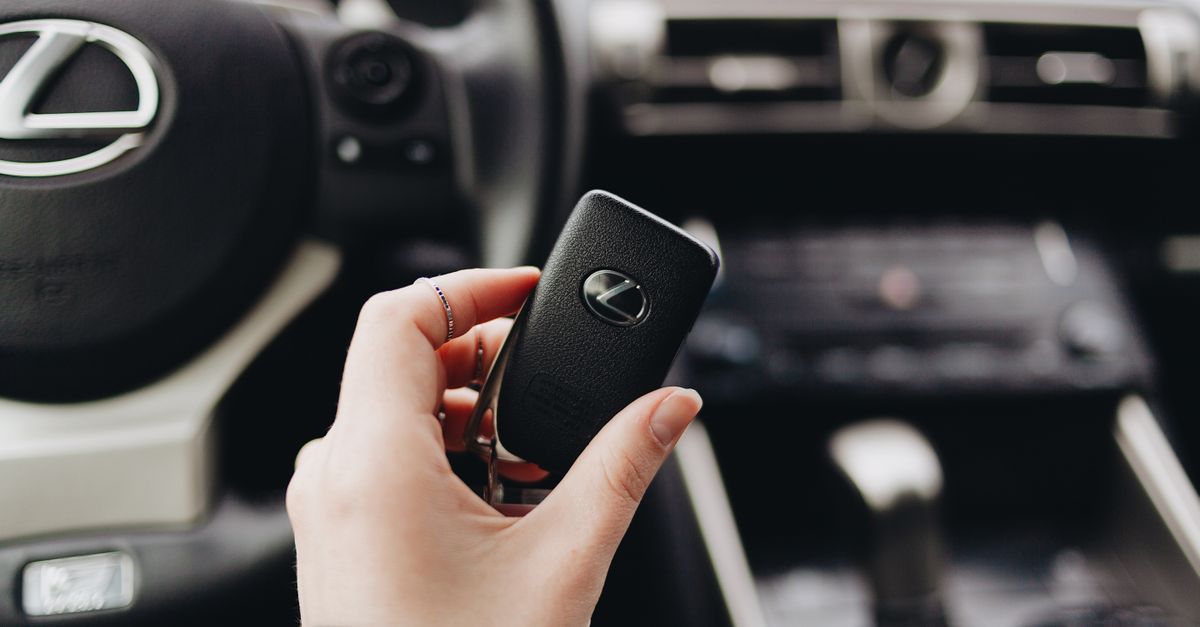
Key fobs — the remote control units that lock, unlock, and sometimes start your Honda remotely — can be standalone remotes paired with a separate metal key, or they can be integrated into a flip-key shell where the metal blade folds away. Smart keys, branded by Honda as Honda Sensing-compatible proximity keys on models like the Pilot and Odyssey, take things further: the car detects the fob in your pocket or bag and allows push-button ignition without ever inserting a blade. Each of these formats requires different cutting tools, different programming protocols, and different blank hardware — which is exactly why our technicians carry a comprehensive inventory and keep their diagnostic equipment current.