Ford Car Key Replacement: What You Are Actually Dealing With
Ford has used several distinct key technologies across its model lineup over the past three decades, and the type of key your vehicle uses is the single biggest factor in how the replacement is handled. Older Ford trucks and vans use a basic laser-cut or standard-cut metal key with no electronics at all — straightforward to duplicate but still requiring the right code or a working key to cut from. From the late 1990s onward, Ford began embedding transponder chips inside the key head. These chips communicate with the vehicle's immobilizer system, and if the chip is absent, cloned incorrectly, or not programmed, the engine will crank but refuse to start. Models like the Ford Explorer, Ford Expedition, Ford Edge, and Ford Ranger all fall into this category across various model years.
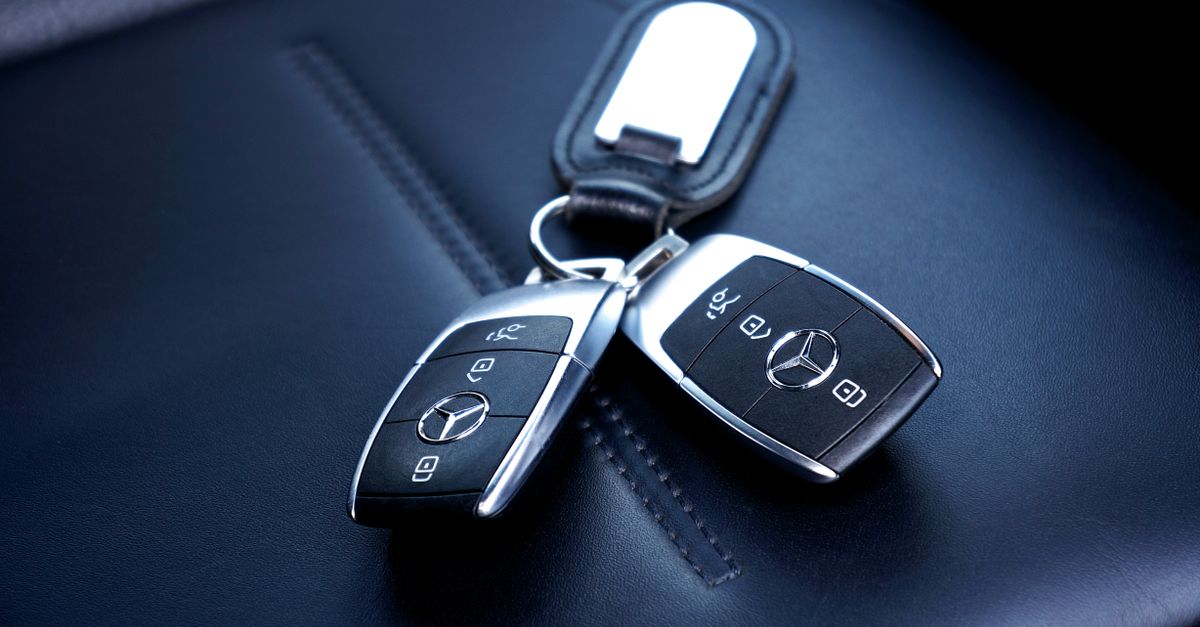
More recent Ford vehicles — including many current Escape, Transit, and F-150 trims — use proximity smart keys or push-button fobs that rely on rolling-code encryption and must be programmed specifically to your vehicle's VIN. Losing the only programmed key on one of these vehicles means the replacement process involves both cutting a physical emergency key blade and completing a software programming sequence. Our technicians carry the diagnostic and programming equipment to handle all of these scenarios on-site, so the Ford car key replacement process happens in your driveway, your parking lot, or wherever you happen to be when the situation arises.