Hyundai Car Key Replacement: Understanding the Key Types on Modern Models
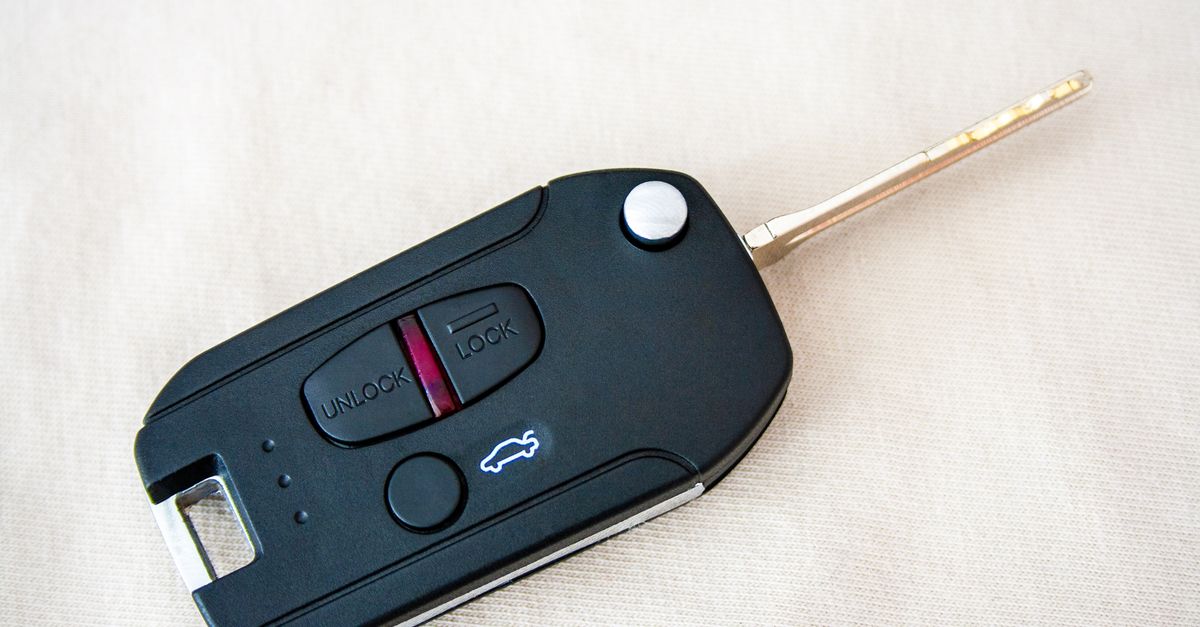
Not all Hyundai keys are created equal, and the terminology matters when you call for help. A basic transponder key looks like an ordinary metal key but contains a small chip in the head that communicates with your car's immobilizer — if the chip isn't programmed, the engine simply won't start even if the key turns. Keyless entry fobs are the separate remote controls used to lock and unlock doors; they can fail from a dead battery, water damage, or internal circuit failure. Smart keys — also called proximity keys or BlueLink-compatible fobs on newer Hyundais — allow push-button start and handle-touch unlocking without inserting anything into the ignition. Switchblade keys fold the metal blade into the fob body and combine remote functions with a physical key in one unit. Knowing which type you have helps our team arrive with exactly the right blank and programming software, cutting down wait time significantly.
Each of these key systems requires a different skill set and different equipment to replace properly. Transponder programming, for example, requires an on-board diagnostics interface that reads and writes codes to your vehicle's ECU. Smart key systems on models like the Hyundai Kona and Tucson add another layer of rolling-code security. Our technicians are trained across all of these systems and carry multi-platform programming tools so that a Hyundai Santa Fe from 2010 and a Hyundai Sonata from 2023 can both be served on the same mobile visit.