Top Anderson Locksmith Service Team
Local locksmith team
Jun 13, 2026 11 min read
If you run a business on South Main Street, manage a multi-tenant office near the Anderson Mall, or oversee a storefront along North Murray Avenue, you already know that keeping the right people in — and the wrong people out — is one of the most practical challenges you face every day. A master key system is one of the most effective tools a commercial locksmith can put in your hands, giving you layered access control without the headache of carrying a separate key for every door.
This guide breaks down exactly how master keying works, what hardware choices matter most (including why a quality mortise lock is usually the backbone of a well-designed commercial system), and how Top Anderson Locksmith helps Anderson-area businesses build security that actually fits the way they operate. Whether you are opening a new office, rekeying after an employee departure, or upgrading worn door hardware, the information here will help you make smart, informed decisions.
## What a Master Key System Actually Does — No Jargon
A master key system creates a hierarchy of access within a single building or campus. At the top sits the grand master key, which opens every lock in the system. Below that you can have master keys that open only a defined zone — say, the administrative wing — and then individual change keys that open only one specific door. The brilliance of the design is in the math: each lock cylinder is cut with two distinct shear lines instead of one, so the cylinder responds to its own unique key and also to the master, but never to a neighbor's change key. No electronics, no batteries, no software subscription required for the mechanical layer.
In practical terms, this means your property manager can carry one key and access every suite, your warehouse supervisor can access the stockroom and loading bay but not HR files, and each employee can enter only their own workspace. When someone leaves the company, a skilled commercial locksmith rekeys only the cylinders that person could access — restoring security without replacing every lock or redistributing keys across the team. For Anderson businesses dealing with seasonal staff, contractor access, or multi-floor layouts, that flexibility is genuinely valuable.
## The Mortise Lock: Why It Is the Foundation of Commercial Master Keying
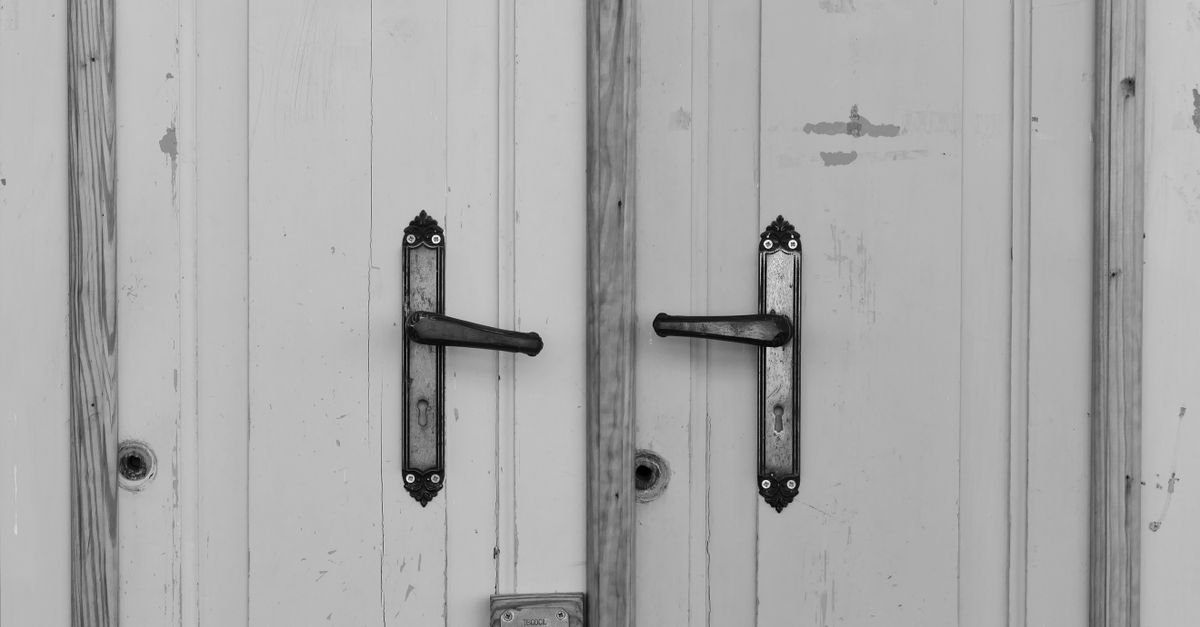
When building or upgrading a master key system, hardware selection is not an afterthought — it is the starting point. A mortise lock is the professional-grade workhorse of commercial door hardware. Unlike a cylindrical lock (the standard door knob lock you find in most residential settings), a mortise lock is recessed into a pocket — the mortise — cut into the door edge. This gives it a far larger, more robust internal mechanism that handles heavy traffic, repeated use, and the precise cylinder tolerances that a master key system demands.
A well-specified mortise lock also combines the latchbolt, deadbolt, and sometimes a privacy or indicator function all in one compact chassis. That means fewer moving parts exposed to tampering and a tighter fit in the door that resists spreading or shimming attacks. For storefronts on South McDuffie Street or professional offices in the Whitehall area, we routinely pair mortise lock bodies with high-security cylinders and restricted keyways — keyways that cannot be duplicated at a hardware store without written authorization. If your current setup relies on basic door knob locks throughout, upgrading to mortise lock hardware at your primary entry and high-sensitivity interior doors is often the single most impactful step you can take before layering on a master key system.
## Terminology, Specialisations, and How the Industry Actually Works
Understanding a few core terms helps you have a more productive conversation with any locksmith Anderson businesses rely on. A keyway is the specific profile of the key blade; a restricted keyway is one controlled by a manufacturer or distributor so copies can only be made with a registered authorization card. Rekeying means changing the pin stacks inside an existing cylinder so that old keys no longer work — the hardware stays, only the internal configuration changes. Re-pinning, masterkeying, and combinating are all terms your technician may use interchangeably for variations of this process.
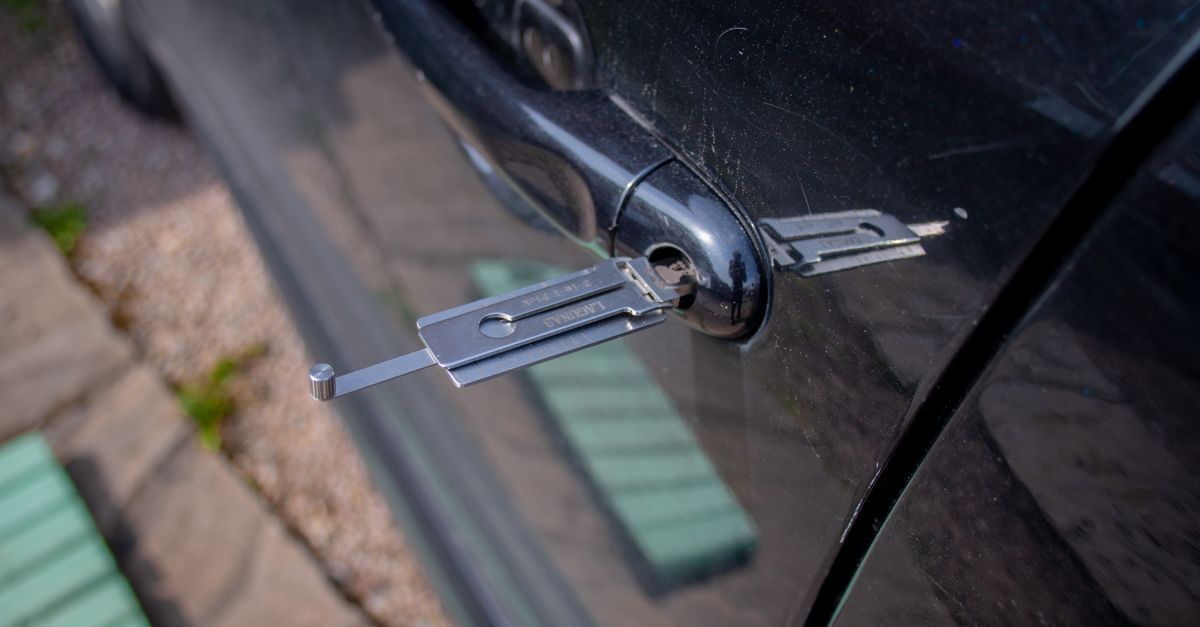
Locksmithing itself covers several distinct specialisations. A residential locksmith focuses on home lockouts, deadbolt installation, and rekeying. An automotive locksmith handles car lockouts, transponder keys, and ignition work. A commercial locksmith — the specialisation most relevant to this guide — covers master key systems, mortise lock installation, exit device hardware (panic bars), access control integration, and safe work. A safe technician or safe locksmith is its own sub-specialisation requiring knowledge of combination mechanisms, relockers, and fire ratings. At Top Anderson Locksmith, our team covers all of these disciplines so that Anderson-area clients do not need to source multiple vendors for a single property.
Regulation of the locksmith trade varies significantly by country. In the United Kingdom, locksmithing is not formally licensed by the government, but professional bodies such as the Master Locksmith Association (MLA) set voluntary competency and ethical standards, and consumer guidance from Trading Standards encourages hiring MLA-vetted technicians. In the United States, regulation is handled at the state level and the landscape is fragmented — some states require a locksmith license, others require only a business license, and a handful have no specific requirements at all. South Carolina, where Anderson is located, does not currently mandate a specific state locksmith license, but responsible practitioners carry general business liability insurance, invest in ongoing training, and adhere to industry best practices. When you are choosing a locksmith, asking about insurance coverage, how technicians are trained, and whether the company will verify your ownership or authorization before working is more practically meaningful than any single credential label. Our team is insured and our technicians are trained and experienced across residential, automotive, and commercial work.
## Practical Scenarios: When Anderson Businesses Need a Commercial Locksmith
Consider a multi-suite professional building near the intersection of East Greenville Street and Highway 28. The building owner needs a building master key, each tenant firm needs its own floor master, and individual employees need change keys for their private offices. A commercial locksmith surveys the doors, specifies the appropriate mortise lock hardware for high-traffic entries and cylindrical hardware for low-traffic interior doors, designs the key hierarchy, and codes every cylinder to the plan. The result is a documented, expandable system — adding a new tenant later means ordering new cylinders already keyed to the existing grand master, not rebuilding from scratch.
Other common triggers for commercial locksmith calls in the Anderson area include: an employee termination where security must be restored immediately, a door knob lock that has worn to the point where it sticks or fails on cold mornings, a storefront that needs a mortise lock installed ahead of a new lease, or a business owner who discovers that a previous tenant may have had unauthorized key copies made. Each of these situations has a specific, practical solution — rekeying, hardware replacement, or a full master key re-designation — and the right answer depends on the exact lock types, door construction, and access requirements on site. If you are unsure which approach fits your situation, call us at (704) 850-6756 and we will walk through the details with you before any work begins.
## Smart Locks, Emergency Access, and Getting an Honest Quote
A question we hear often is: can a locksmith install a smart lock? Absolutely. Smart locks — whether Bluetooth, Z-Wave, or Wi-Fi enabled — can be integrated into a master key plan in several ways. Some commercial-grade smart cylinders accept a physical master key override, preserving your mechanical hierarchy while adding electronic audit trails and remote access. Others replace the cylinder entirely with a credential reader. For most Anderson small businesses, a hybrid approach works well: electronic access on the primary entry for audit purposes, mechanical master-keyed mortise lock hardware on interior and secondary doors for reliability. We assess your door prep, frame condition, and connectivity environment before recommending any specific hardware.
When it comes to pricing, several factors shape the final number: the type and brand of lock or cylinder being installed, the number of doors in the system, whether new mortise lock bodies are needed or only rekeying, the time of day (emergency locksmith calls outside normal hours reflect the cost of 24/7 readiness), and travel distance to your location within the Anderson service area. We always confirm an exact up-front price before any work starts — no surprises on the invoice. For emergency locksmith situations, the same principle applies: you hear the number, you agree, then we proceed. Regarding tipping — it is never expected but always appreciated if a technician goes above and beyond on a tough job. And if you are ever wondering whether a locksmith can make a key from a lock (without an existing key at all), the answer is yes: an experienced technician can decode the lock's existing pin configuration and cut a working key, a process called impressioning or decoding depending on the method used.
## Choosing the Right Locksmith Anderson Businesses Can Count On
How to choose a locksmith for your business comes down to a few honest checkpoints. First, verify the company answers its own phone — not a call center that dispatches strangers. Second, ask whether the technician will verify your identity and authorization before starting work; any professional locksmith should do this without being asked, both for your protection and theirs. Third, confirm the company is insured and that technicians have documented training in commercial hardware, not just residential lock work. Fourth, get the price confirmed before work begins, not after.
Top Anderson Locksmith is a 24/7 mobile operation built specifically for the Anderson, SC community. Our technicians are trained and experienced in mortise lock installation, master key system design, emergency locksmith response, smart lock integration, and a full range of commercial and residential services listed below. We know the Anderson area streets, we answer our own phone, and we arrive with the tools and parts to handle most jobs in a single visit. For businesses along Clemson Boulevard, the I-85 corridor, or anywhere in the greater Anderson area, we are the team to call when security cannot wait. Reach us any time at (704) 850-6756 — we answer 24/7.
Frequently asked questions
Can a locksmith make a key from a lock with no original key present?+
Yes. An experienced commercial locksmith can decode the existing pin configuration inside your lock cylinder and cut a working key without any original to copy from. The process — sometimes called decoding or impressioning depending on the technique — requires skill and proper tools, and is something our trained technicians perform regularly for Anderson businesses that have lost all copies of a key or taken over a property with incomplete key sets. We verify ownership before beginning any such work.
How much is a locksmith per lock for commercial work?+
The cost per lock depends on several specific factors: the type of hardware involved (a mortise lock replacement involves more labor and parts than a simple rekey), the number of doors being serviced, whether the work is part of a master key system design or a standalone job, the time of day, and travel distance to your Anderson-area location. We do not quote a flat rate in advance because the right answer varies too much by situation — but we always confirm an exact up-front price with you before any work begins, so there are never any surprises on the invoice.
Should I tip my locksmith?+
Tipping is entirely optional and never expected. Locksmith services are professional trade work, and our technicians are compensated fairly for their time and expertise. That said, if a technician handles a particularly difficult emergency locksmith call, solves a tricky mortise lock problem, or goes out of their way to explain your options clearly, a tip is always a genuine and appreciated gesture — entirely your call.
How do I choose a locksmith for my Anderson business without getting burned?+
A few practical checks go a long way. Confirm the company answers its own phone rather than routing through a third-party dispatch. Ask whether they will verify your identity and authorization before starting — a responsible locksmith always does this. Confirm they are insured and that their technicians have real commercial experience, not just residential or automotive background. Get the price confirmed in writing before any work starts. And pay attention to whether they take time to explain your options or rush you into a decision. At Top Anderson Locksmith, every one of these standards is part of how we operate on every call.