What Goes Into a Modern Car Key Replacement
The phrase 'car key replacement' covers a surprisingly wide range of distinct procedures depending on your vehicle. A basic key cut for an older model with no chip is a very different job from programming a proximity smart key for a 2022 Honda CR-V or cloning the transponder signal in a Chevrolet Silverado. At the most straightforward end, a mechanical key blank is selected for your vehicle's keyway profile and cut to the specific bitting code either from a code database or by decoding your original. At the more advanced end, our technicians use OBD-II-compatible programming tools to write a new key's transponder identity directly into your vehicle's immobilizer module — a process that differs meaningfully between Ford, GM, Toyota, Honda, Nissan, Hyundai, Kia, Chrysler, Ram, Subaru, and most European marques.
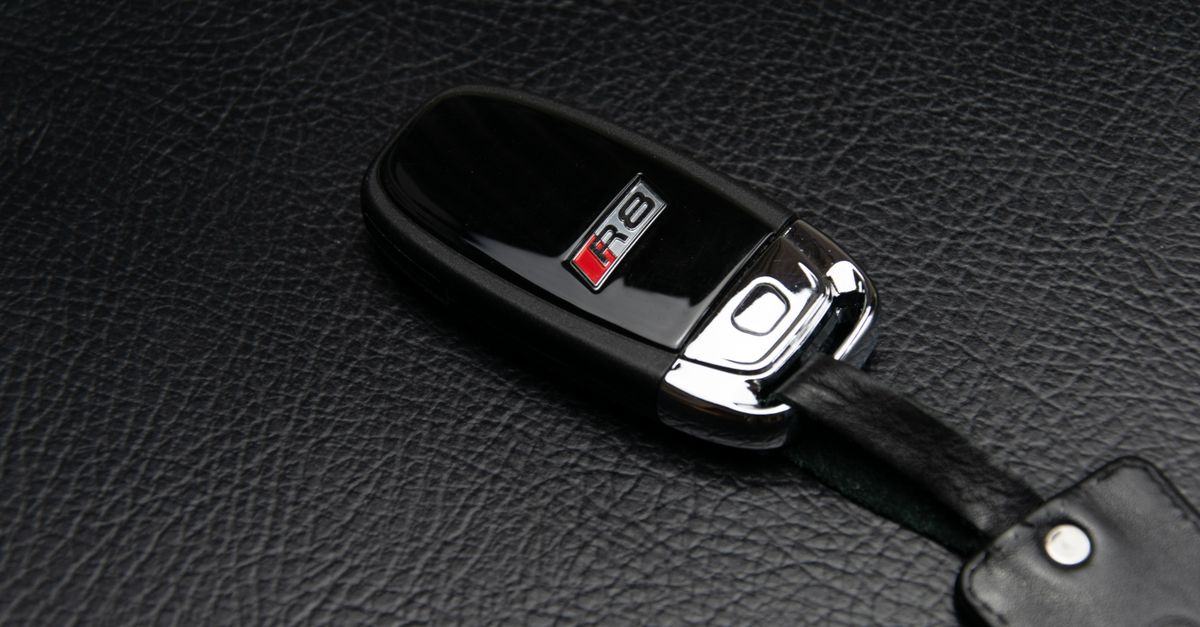
Understanding the terminology helps set realistic expectations. A transponder key contains a passive RFID chip that the car's antenna ring reads when you insert the key — if the chip isn't recognized, the immobilizer kills the starter circuit regardless of whether the cut is perfect. A remote head key combines the transponder with lock and unlock buttons in one unit. A key fob is a separate remote that works alongside a traditional key. A proximity or smart key never needs to be inserted at all — push-button start vehicles read the fob's rolling code as long as it's within range. Each of these requires a different programming path, and our technicians are experienced with all of them.